AI-Driven Modernization for Logistics Platforms
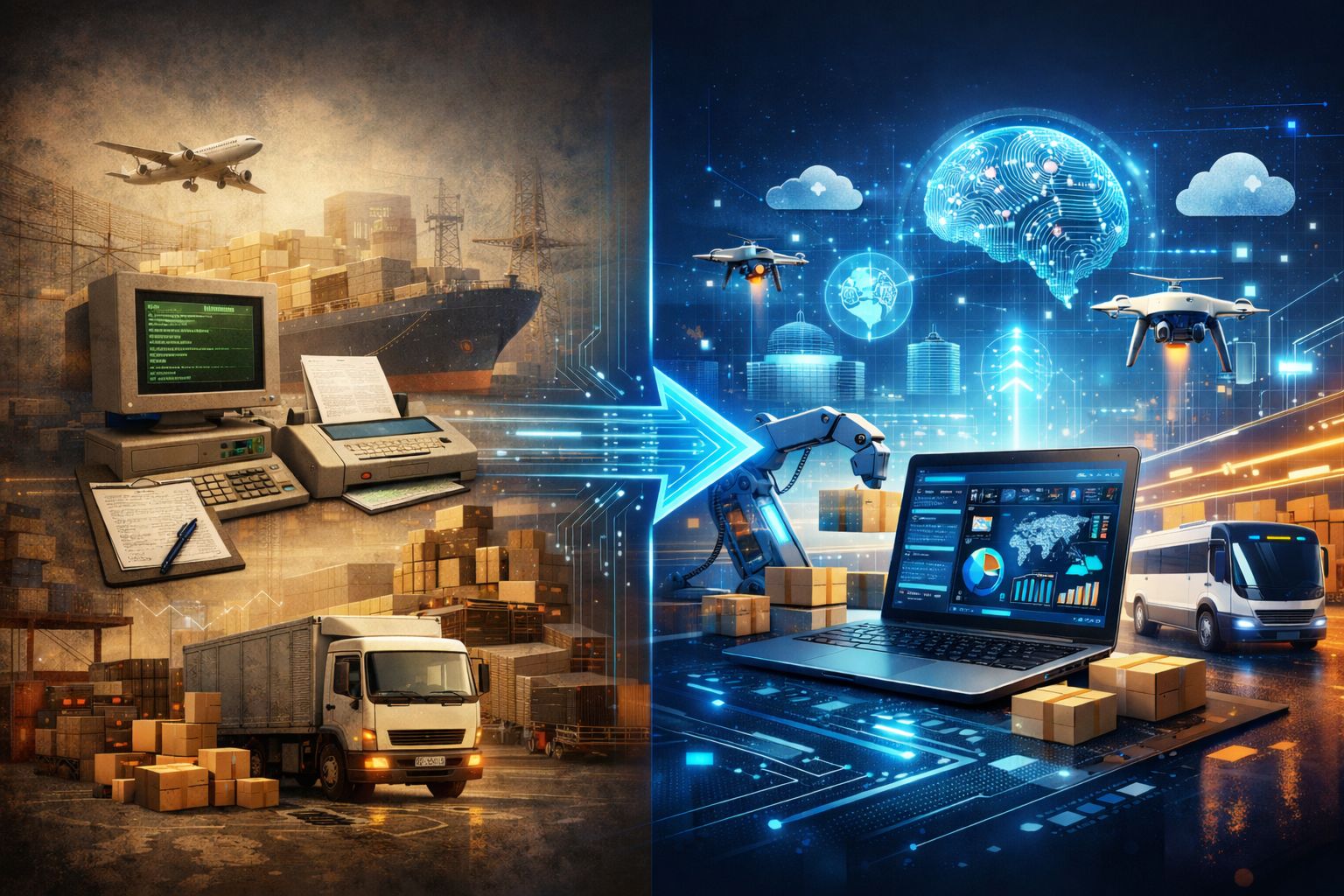
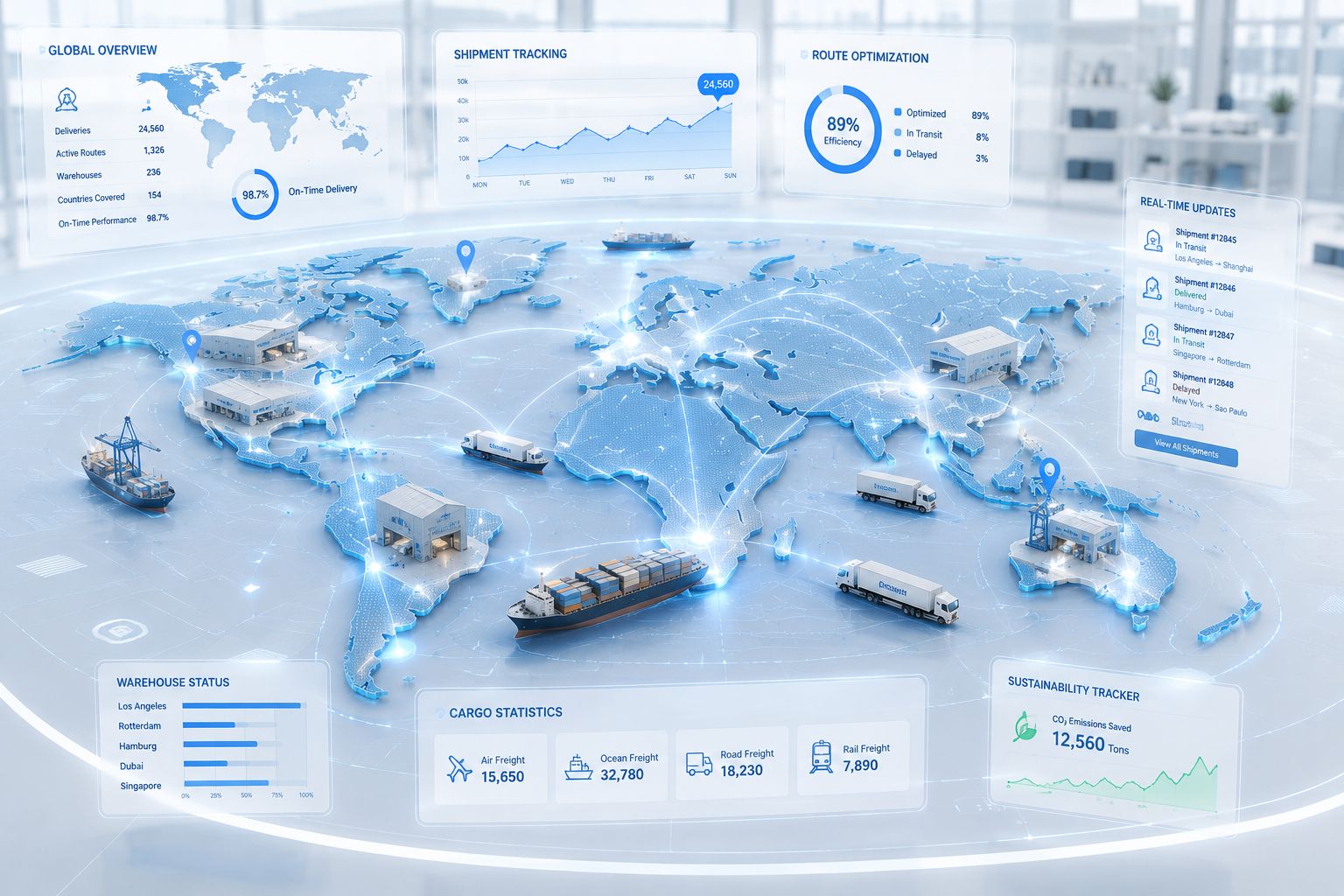
Artificial intelligence has taken over as the primary driver of modernization in logistics, thereby changing the way transportation management, warehousing, and visibility platforms function. The old systems—that were designed for fixed processes—find it very hard to cope with the demands of today's real-time routing, multi-node shipments, exception handling, or predictive fleet allocation. As supply chains become data-intensive and customer expectations accelerate, modernization shifts from “technology refresh” into a competitive requirement.
Modern logistics platforms now integrate three evolution layers: data interoperability, real-time optimization, and predictive automation. Gartner reveals in their studies that the majority, approximately 80%, of businesses are looking forward to AI logistics tools to be their operational part by 2027. This tendency strengthens the already existing movement that is taking place from decision-making based on rules to the adoption of systems that are learning-driven and probabilistic.
Drivers Behind Modernization
The modernization wave is fueled by several forces:
- Reduced tolerance for shipment delays and ETAs gaps
- Globalized, multi-stakeholder logistics ecosystems
- Rise of e-commerce with volatile demand patterns
- Growth of IoT telemetry from vehicles, containers, warehouses
- Sustainability KPIs and stricter compliance frameworks (EU & US)
Previously, TMS and WMS systems facilitated the improvement of workflows inside a single party me exclusively—carrier, shipper, or 3PL. Present-day platforms are more and more dependent on these technologies: multi-party orchestration, data-sharing, and event-driven architecture that can adjust to unplanned events.
Key Components of AI-Enabled Logistics Platforms
- Dynamic routing and ETA modeling: AI makes use of instantaneous traffic, weather and carrier data to continuously update ETAs instead of using static assumptions. According to McKinsey, one can save up to 10-15% on transportation costs by employing real-time routing.
- Predictive maintenance: An AI model applied to the entire fleet results in longer asset lifespan and fewer unplanned downtimes.
- Digital twins: Full-scale duplications provide the possibility of testing scenarios for congestion, demand surges, and storage limitations.
- Interoperability layers: The use of APIs and data fabrics facilitates the connection of TMS/WMS/ERP and telematics vendors without the need for manual integration.
- Anomaly detection: AI identifies disruptions like excessive dwell time, route changes, or failed handovers.
- Autonomous workflows: The automated planning systems take over and reschedule the tasks whenever any exceptions happen.
These modules shift logistics from reactive to anticipatory. Rather than waiting for delays, platforms self-optimize and trigger corrective actions upstream.
From Legacy Constraints to Intelligence
Legacy systems frequently depend on processing in batches, having their data stored separately, and using manual coding for their business rules. These kinds of systems are unable to support dynamic orchestration or contextual rescheduling. The AI modernization process brings in feedback loops—as it learns from operational telemetry and keeps on fine-tuning the decisions made.
The digital twins signify a remarkable change in the architecture of logistics. They offer the logistics managers a layer of simulation that reflects the actual situation: trucks, warehouses, distribution centers, and clients. The twins acting together with predictive demand models can help in advance setting the capacity, personnel, and eco-friendliness goals.
A modernisation base is interoperability. DHL has pointed out that for cross-border visibility and sustainability reporting to be effective, the systems have to be connected. If there are no common data models, the logistics will still be disconnected, and this will cause coordination bottlenecks..
Modernization Strategies
- Replatforming legacy TMS/WMS: Transitioning to modular, API-First, cloud-native architectures
- AI augmentation: Integrating forecasting, routing, and anomaly detection within current workflows
- Data fabric adoption: Implementation of an interoperability layer with semantics for multi-party data exchange
- Telemetry integration: Merging IoT data, tracking of the fleet, warehouse sensors, and compliance data
- Simulation-first planning: Employing digital twins prior to actual-world execution
- Lifecycle modernization: Partial renewal instead of complete ripping and replacing transitions
The above-mentioned strategies are indicative of a practical modernization route. Only a small number of logistics players are after one large scale modernization. Rather, the modernization process is often gradual, in which the old components are progressively replaced or improved.
Conclusion
The logistics industry is undergoing a massive transformation, with AI modernization being the major driver. logistics platforms are being turned into intelligent systems which can do predictive planning, dynamic routing, and resilient execution. The transition from traditional TMS/WMS to event-driven, interoperable, and AI-augmented platforms will, in the future, determine the competition among carriers, shippers, and 3PLs. As the supply chains become more unpredictable and rich with data, the modernization of the IT department is no longer an initiative but an operational model—reshaping the entire logistics field for the next ten years to come.