Training Linear Workforce with Digital Platforms
Training of a linear workforce through HR being transformed from a supportive activity to a core operational function. Employees working in the front line of logistics, manufacturing, retail, construction, and field services are exposed to environments that come with safety risks, regulatory pressure, staff turnover, and changes in the processes, among others. Under these factors, traditional instructor-led training models and static documentation no longer suffice, leading to the creation of operational roles with significant skill gaps that can be measured.
Digital training platforms are increasingly adopted to embed learning directly into daily workflows. According to industry research, more than 80% of organizations have already adopted or plan to adopt AI-powered digital learning platforms to train frontline employees more efficiently and consistently.
Why Traditional Training Models Fail for Linear Workforce
Traditional training methods were made for stable office environments only and not for shift-based or field-oriented positions. With the increasing operational complexity, these techniques are unable to provide a noticeable impact or be adaptable:
- Limited availability of frontline employees for long classroom sessions
- High variability of tasks across locations and teams
- Frequent updates to safety, compliance, and operational procedures
- Lack of real-time insight into knowledge retention and skill application
As a result, organizations face inconsistent training quality and delayed workforce readiness.
Digital Platforms as an Operational Training Layer
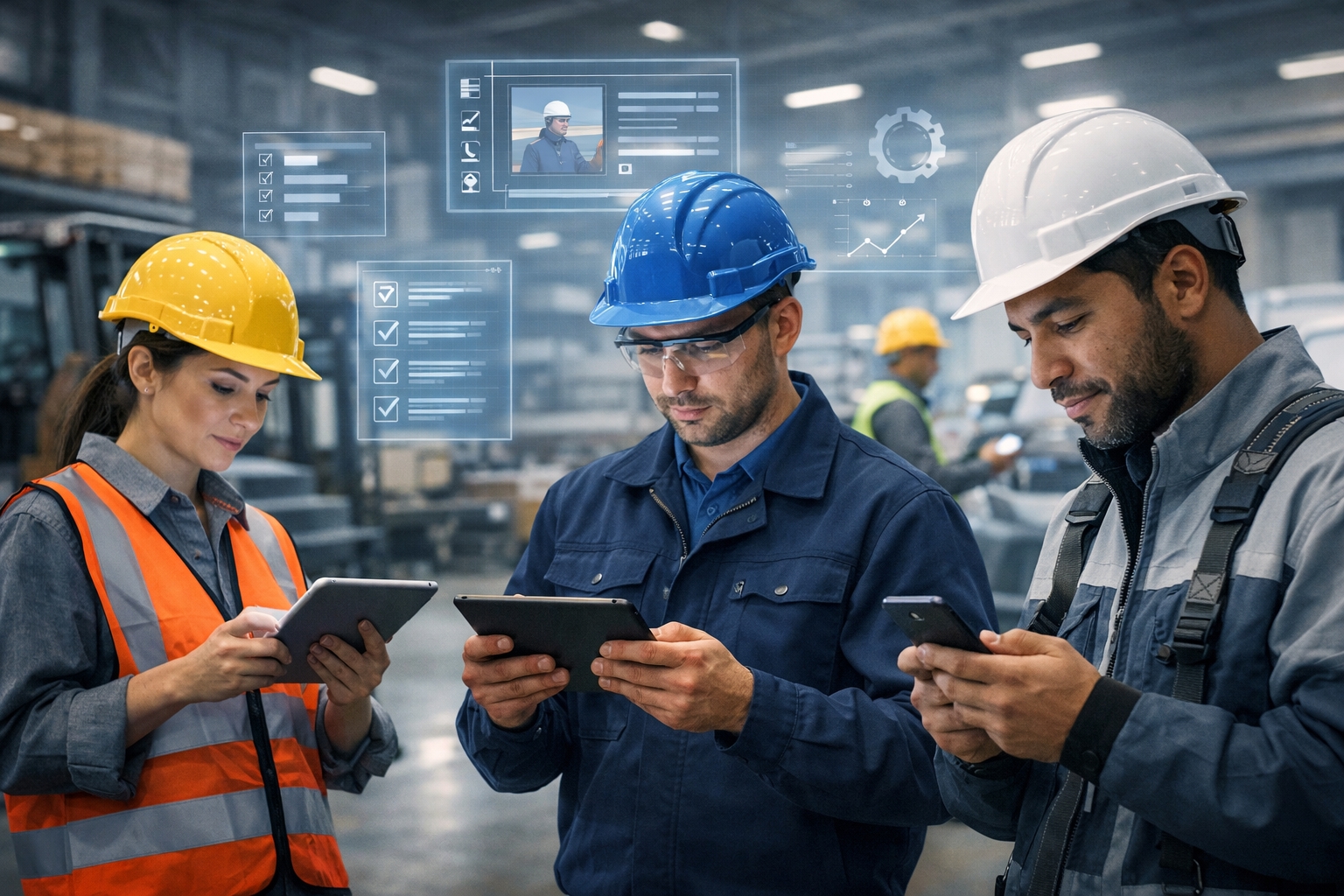
Digital training platforms address these challenges by delivering learning in short, task-oriented formats aligned with real operational constraints. Mobile-first access allows employees to train during natural workflow breaks rather than being removed from production. It has been confirmed through research that the implementation of mobile learning and on-demand learning tools can lead to a decrease of as much as 40% in the duration of onboarding processes, alongside an enhancement of task accuracy and compliance results.
Personalization and Microlearning
Current Learning Management Systems (LMS) and Learning Experience Platforms (LXP) apply analytics and machine learning to tailor the training paths for the users according to their job roles, levels of experience, and performance data. According to reports by Gartner, the use of adaptive learning brings about a substantial increase in the engagement and productivity of the frontline workers, especially in environments that are either high-risk or regulated.
Microlearning is now the chief educational model in 2025. Brief, targeted units not only increase the rates of course completion but also allow for instant application of skills. Research articles consistently show that microlearning is the superior method for both retention of knowledge and performance as compared to conventional formats.
Measurable Business Impact and Control
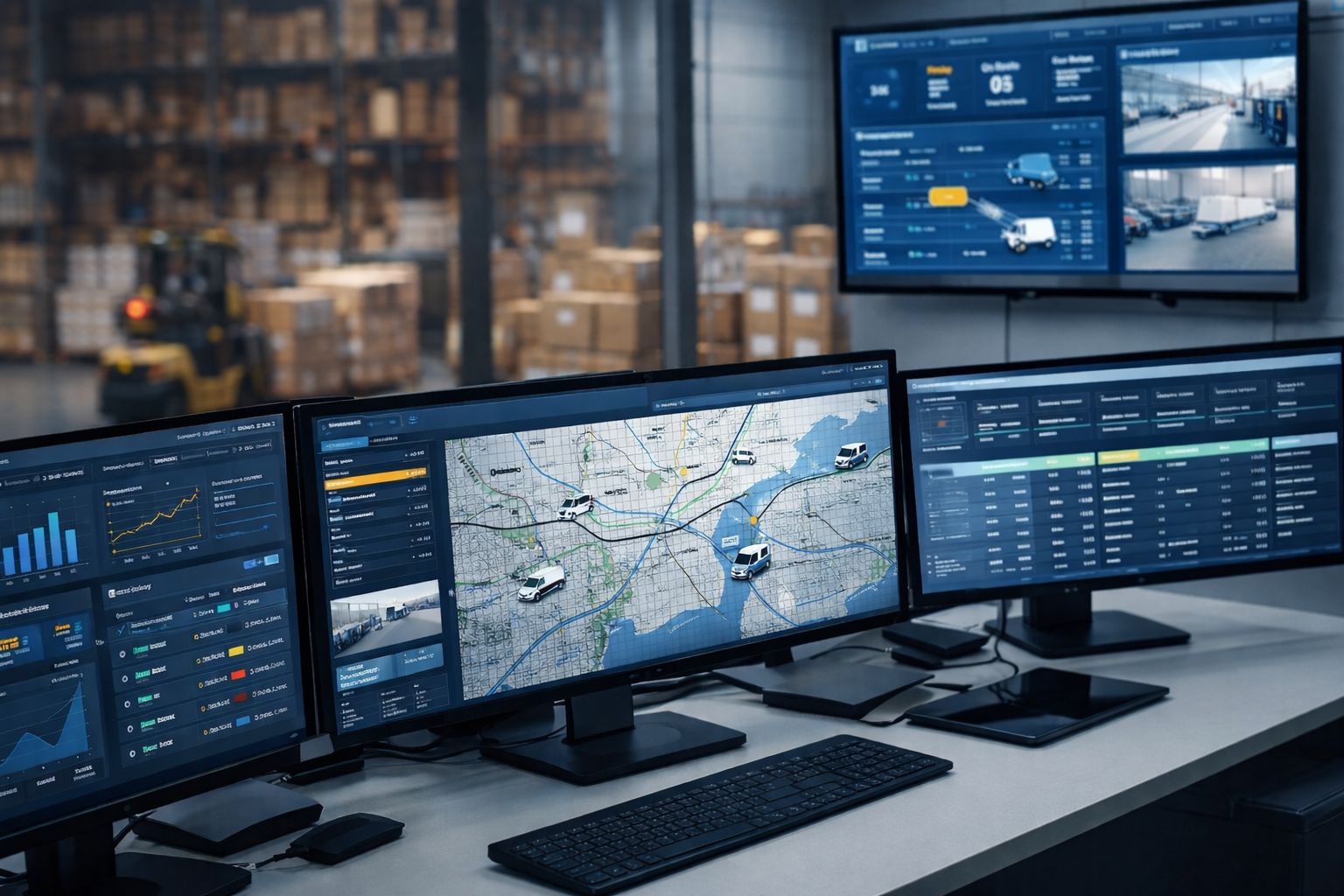
Digital training platforms, besides skill development, offer operational visibility and control. The certification status, compliance readiness, and performance gaps across various teams are monitored with real-time dashboards:
- Reduced safety incidents and human-error rates
- Faster certification and recertification cycles
- Lower dependency on in-person supervision
- Improved audit readiness and reporting accuracy
From a financial point of view, organizations state that they incur lower training expenses, quicker time-to-productivity, and lower staff turnover. Moreover, continuous content updates without deploying instructors again also enhance scalability.
Adoption Challenges and Workforce Readiness
Adoption, even with its advantages, is still facing challenges. The lack of digital skills, the unwillingness to accept new ways of doing things, and poor infrastructure are some of the factors that may delay implementation. Research by McKinsey indicates that firms using both digital platforms and proper change management techniques obtain much higher returns than those relying solely on technology.
Conclusion
The digital platforms are no longer an innovation experiment, but rather an operational necessity alongside the training of the linear workforce. When companies combine learning with the work performed by the frontliners, they get benefits such as quicker onboarding, more productive employees, better adherence to rules, and more resilient workers.
By the year 2026, the organizations will be rated on their effectiveness in training employees for complex and high-pressure operational environments purely based on their use of digital training platforms.
Key Takeaways
- Digital training platforms transform linear workforce training from a support function into a core operational capability.
- Mobile-first learning and microlearning formats reduce onboarding time while improving task accuracy and compliance.
- AI-driven personalization in LMS and LXP platforms increases engagement and productivity among frontline employees.
- Real-time training analytics provide visibility into certification status, skill gaps, and workforce readiness.
- Organizations adopting structured change management achieve higher ROI from digital workforce training initiatives.
- By 2026, digital training platforms will be a key benchmark for evaluating workforce resilience in high-pressure operational environments.