It is well known that the last mile is the most costly and least efficient part of the global logistics chain, which typically consumes more than 50 percent of the shipping costs. Even though there have been impressive results from the use of AI agents in the field of logistics in simulations, scaling up to actual roads has proven to be difficult. For CTOs, the objective is to convert these sophisticated AI models into an effective logistics AI system.
The Last-Mile Bottleneck: Efficiency vs. Complexity
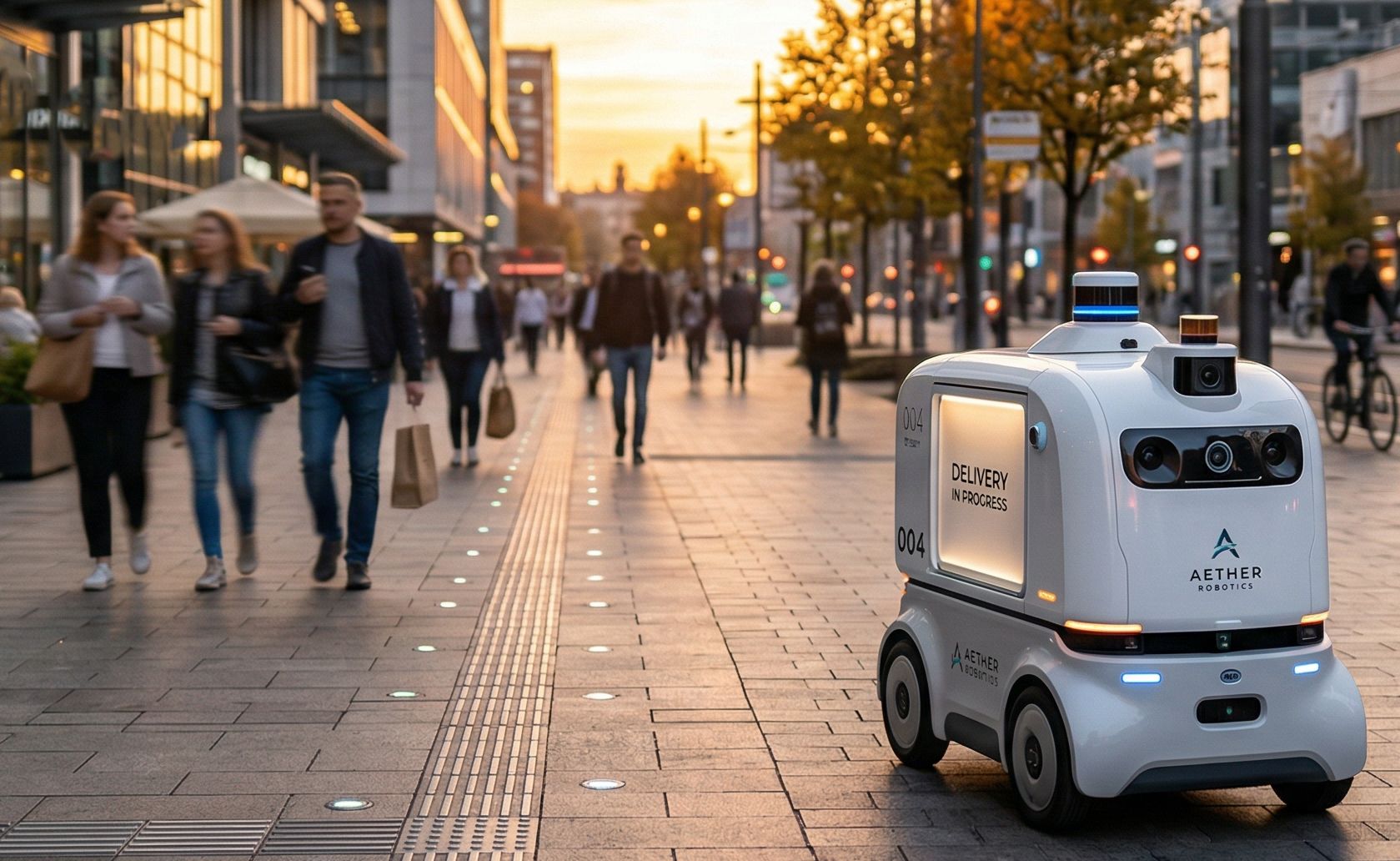
The challenge with the last mile problem is that it is too variable in nature. There are factors like traffic, weather, pedestrians, and delivery timing that affect last-mile delivery operations. The rules-based approach is not effective anymore. That is when autonomous last-mile solutions become handy, making use of machine learning algorithms. Some of the advantages that follow from adopting autonomous last-mile delivery technology include:
- Savings on Labor Costs: Reducing the need for human laborers in the execution of deliveries within the locality.
- Reduced Carbon Footprints: Utilizing electric self-driving cars that operate within the framework of business sustainability goals.
- Slot Alterations: Changing slot timings based on fleet and traffic considerations.
- Making No Mistakes: Using computer vision technologies to deliver packages to the right destinations without any mistakes.
Beyond the Lab: Why AI Algorithms Often Fail in the Field
Most routing automation methods work flawlessly in the laboratory, but they cannot cope with the “noise” that exists in a real urban setting. This disparity between what should happen in theory and what happens in practice normally stems from delays in obtaining relevant information or the absence of environmental awareness on a small scale. In order to solve this problem, a tailored software application must be created with sensor fusion technology.
The Role of Edge Computing in Autonomous Dispatching
Autonomous agents cannot depend on cloud computing in making instant decisions. In such scenarios, "Edge Intelligence" plays an important role. The logistics AI platform processes data using the delivery unit, resulting in faster reaction times and safer operations in congested urban environments. Decentralized computing is an essential technical aspect when developing autonomous enterprise networks.
Navigating the Regulatory and Infrastructure Gap
The most sophisticated software for dispatches is still subject to limitations imposed by local regulations and infrastructure. "Digital twins" of city streets are already emerging in smart cities where autonomous vehicles can exchange data with street lights and designated distribution centers. This level of infrastructure integration is essential for moving from small-scale pilots to city-wide operations.
Scaling Autonomous Networks with Custom Platforms
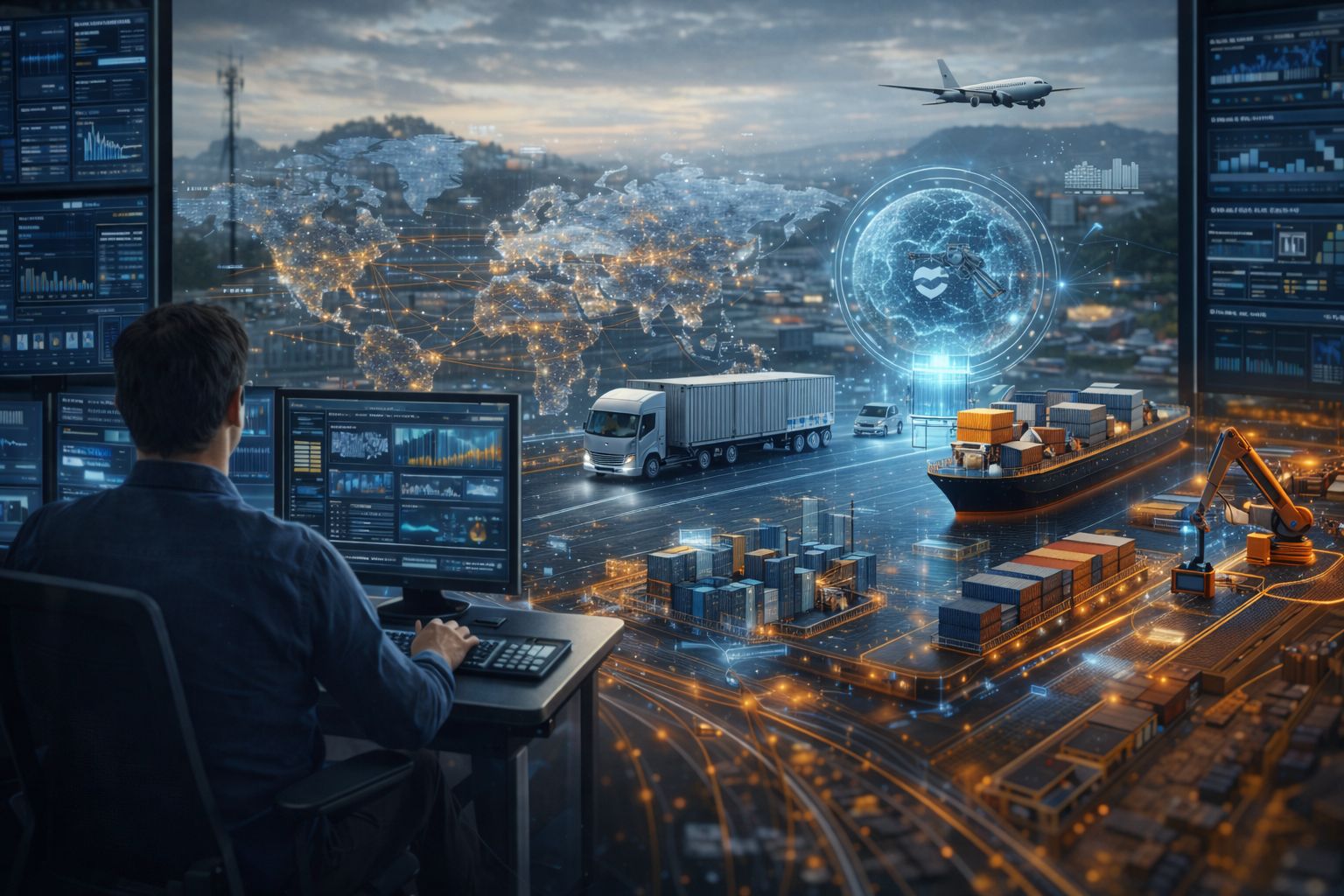
During the course of expanding the number of autonomous cars, the focus will switch from the individual car to the entire fleet of cars. This would mean having a system capable of managing hundreds of thousands of data streams all at once without losing any efficiency along the way. Customization alone can ensure that all of your unique delivery needs are taken into account by your software.
Important steps to ensure success in implementing this system include:
- Begin with Closed-Loop Systems: Employ autonomous systems on university campuses and gated communities to improve the algorithm.
- Hybrid Fleets: Employ autonomous fleets for dense traffic conditions and human operators for difficult deliveries.
- Emphasize Cybersecurity: Ensure that your fleet is safeguarded against any external hacking attempts using logistics cybersecurity.
- Learning Process: Gather real-life data to update the central AI system continuously.
Autonomous delivery solutions for the last mile have gone from science fiction to reality. It is time to implement these systems and start building them. Through concentrating on the development of logistics AI solutions based on the integration of advanced AI algorithms, CTOs can effectively close the gap between innovative development and ROI. This process will be driven by those who realize that it is not about making a robot walk – it is about making it think.
Key Takeaways
- The "last mile" remains the most expensive logistics segment, accounting for over 50% of total shipping costs, necessitating AI-driven automation.
- Autonomous delivery solutions must transition from controlled simulations to complex urban environments using sensor fusion technology to handle real-world "noise."
- Edge Intelligence is critical for autonomous fleets, enabling real-time data processing and split-second decision-making without relying on cloud latency.
- Scaling from individual vehicles to massive fleets requires custom AI platforms capable of managing hundreds of thousands of simultaneous data streams.
- Successful implementation follows a strategic path: starting with closed-loop systems (campuses) before moving to hybrid fleets and city-wide operations.
- By 2026, the integration of "digital twins" and smart city infrastructure will be the primary benchmark for achieving ROI in autonomous logistics networks.