At the moment, the entire supply chain in the world is at a point of what one might refer to as the "complexity ceiling." The problem with traditional software is that its operation is based on a strict and deterministic set of rules, making it difficult to cope with the dynamic nature of global trade operations. For the CTO or the COO, the issue is not whether there is a need for automation anymore; it is now a matter of intelligence.
Beyond Simple Automation: The Rise of AI Agents
Unlike traditional dispatch software that requires manual intervention for every exception, an AI agent functions as a goal-oriented entity. According to recent Gartner supply chain predictions, agentic AI is becoming the standard for managing "unstructured" decision-making. It doesn't just follow a script; it perceives its environment, reasons through problems, and takes actions to achieve a specific outcome, such as "minimize fuel consumption while maintaining a 98% on-time delivery rate."
Benefits in making the shift from the existing system to the logistics agent-based AI framework include:
- Exception Handling Automation: The capability of rerouting products without requiring human intervention by a dispatcher, depending on weather and traffic situations.
- Resource Management Intelligence: Anticipating potential problems by analyzing historical records and current live streams.
- Route Management Innovation: From preplanned routes to dynamically managed real-time routing that will save millions of hours annually.
- Effective Communications: Automating the communication process among carriers, warehouses, and end customers using natural language processing.
Solving the Fragmented Data Problem
One of the primary "pain points" for modern logistics companies is data siloing. Information often lives in disparate systems—from aging ERPs to localized warehouse management tools. AI agents in logistics act as a connective tissue, synthesizing data from these varied sources to create a unified operational view. By utilizing route automation that draws from both internal inventory data and external market conditions, companies can achieve a level of visibility that was previously impossible.
The Strategic Value of Modern Dispatch Software
The shift toward a logistics AI platform allows leadership to move from reactive troubleshooting to proactive strategy. Recent developments indicate that being flexible in the moment is more desirable compared to being prepared in advance. The technology allows for “what-if” scenario modeling and testing, providing a significant competitive edge.
Dive Deep: Real-Time Dispatching
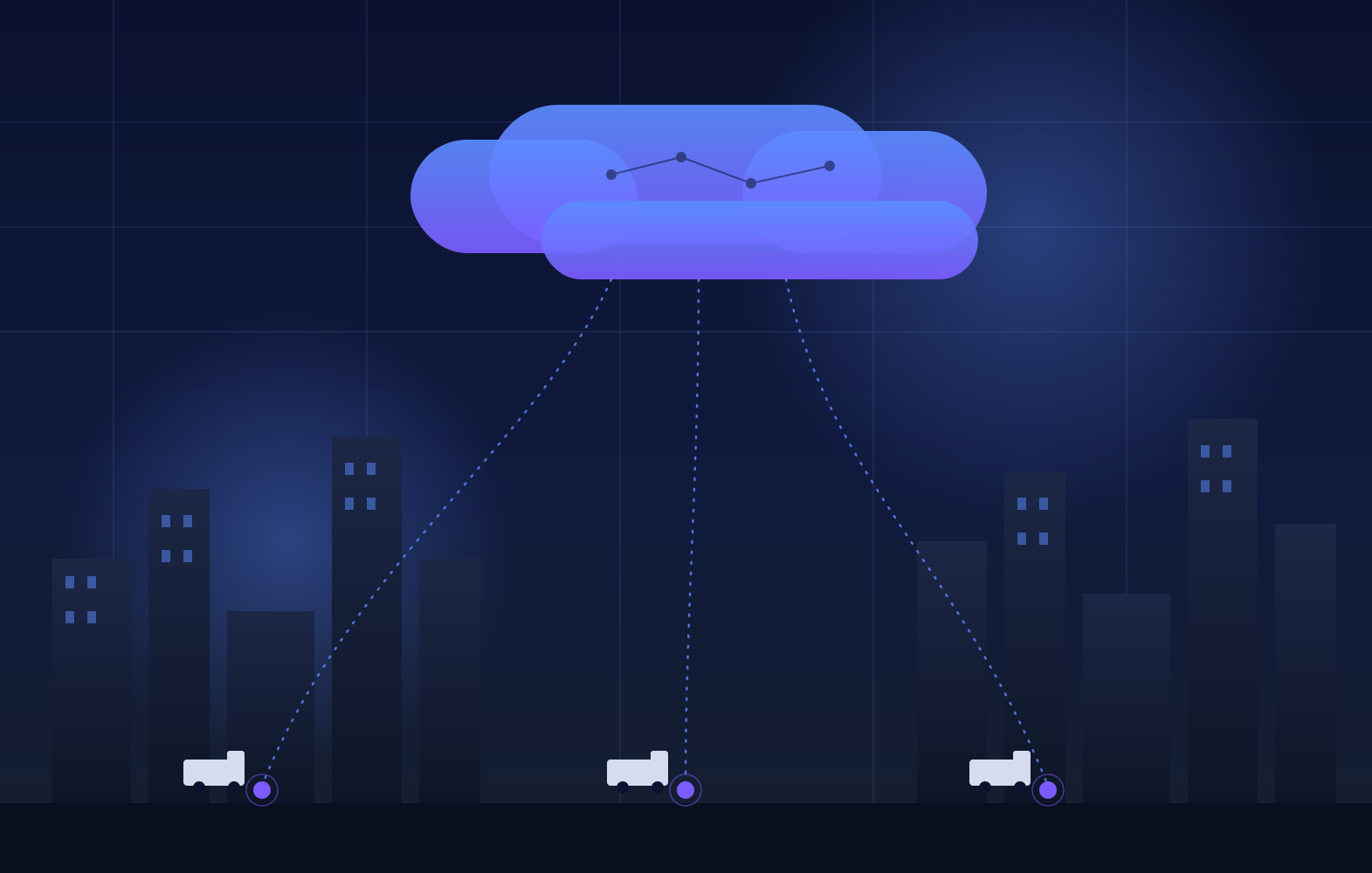
By incorporating agentic thinking into the process of automating routes, each individual truck in the fleet now serves as a piece of data in a continuously optimizing system. If there is any holdup with one particular delivery, the system will not simply notify about the delay but also adjust all other routes.
Overcoming the Legacy System Barrier
For many enterprise clients, the biggest hurdle is the weight of legacy systems. Modern modernization strategies focus on creating "wrappers" or modular agents that communicate with legacy cores without requiring a total "rip and replace" strategy. This approach preserves existing investments while injecting modern intelligence into the workflow.
Integrating Scalability into Supply Chain Logic
As a company grows, the complexity of logistics networks multiplies exponentially. Developing a unique logistics AI platform is the most effective way to handle this growth. Through eliminating waste using intelligent routing and dispatch software, organizations can establish an efficient supply chain that thrives without constant manual monitoring.
Approaches to sustainable growth via AI in logistics:
- Favor Interoperability: Guarantee that your AI can communicate easily with other platforms, such as CRM or ERP systems.
- Value Data Quality: Clean, high-quality data is necessary for an effective AI solution.
- Opt for Customization: Out-of-the-box software is likely to miss important features specific to your company’s niche.
- Conduct Cybersecurity Audits: As automation increases, a robust cybersecurity framework becomes essential.
In conclusion, adopting AI agents in logistics is inevitable for remaining competitive in 2026 and beyond. By solving visibility issues and performing complicated tasks autonomously, AI enables executives to ensure their operation systems are sustainable and scalable.
Key Takeaways
- The "complexity ceiling" of traditional logistics requires a shift from deterministic rules to goal-oriented AI agents.
- Agentic AI transforms dispatching by automating exception handling and dynamically rerouting fleets in real-time.
- Legacy systems can be modernized using modular AI "wrappers," avoiding the risks of total system replacement.
- AI acts as the connective tissue between siloed ERP and WMS data, providing unprecedented supply chain visibility.
- Customization and interoperability are the primary drivers of ROI when implementing a logistics AI platform.
- By 2026, autonomous decision-making will be the standard for resilient and scalable global supply chain operations.