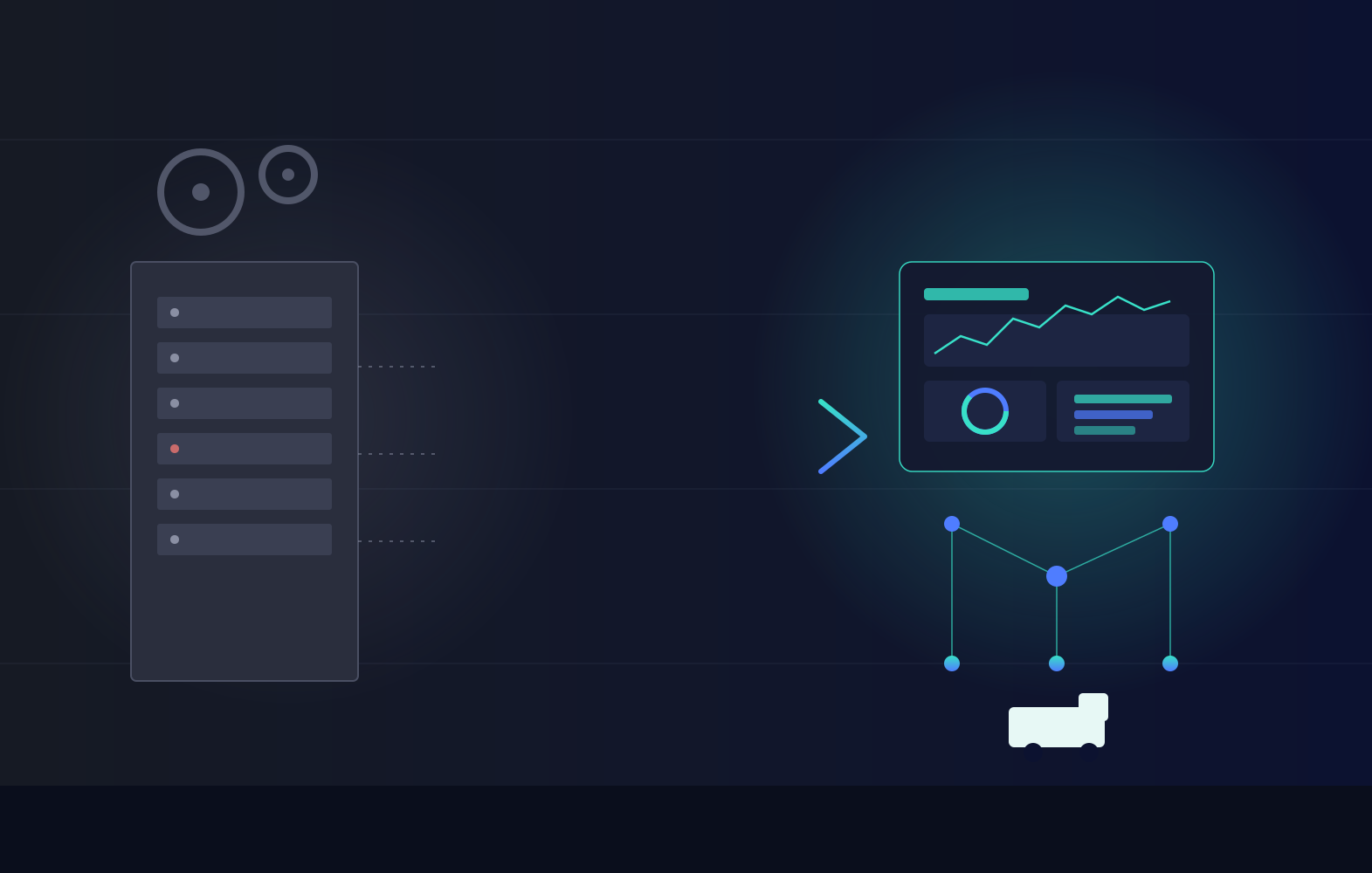
The server room was the centerpiece of the logistics ecosystem for many years. Having an infrastructure system that allowed decision-makers to have control and security was more important than any other factor. But as 2026 progresses, what used to be a strategic advantage of on-premise systems is now a major disadvantage. For a CTO/COO responsible for overseeing logistics operations around the world, the inability of such technology to adapt stems from limited physical capacity, maintenance costs, and geographic silos.
The Paradigm Shift: Why On-Premise Is No Longer Sustainable
It is no longer adequate for the logistics industry to operate within an environment that lacks the agility provided by cloud computing. Firms that rely on on-site computing equipment are banking on a stationary world. Over-provisioning for peak times means that for most of the year, they're paying for equipment that sits unused.
The primary strategic advantages of a cloud-native transition include:
- Scalable Resource Allocation: Instantly scaling computing capacity up or down according to transaction volume at any given time.
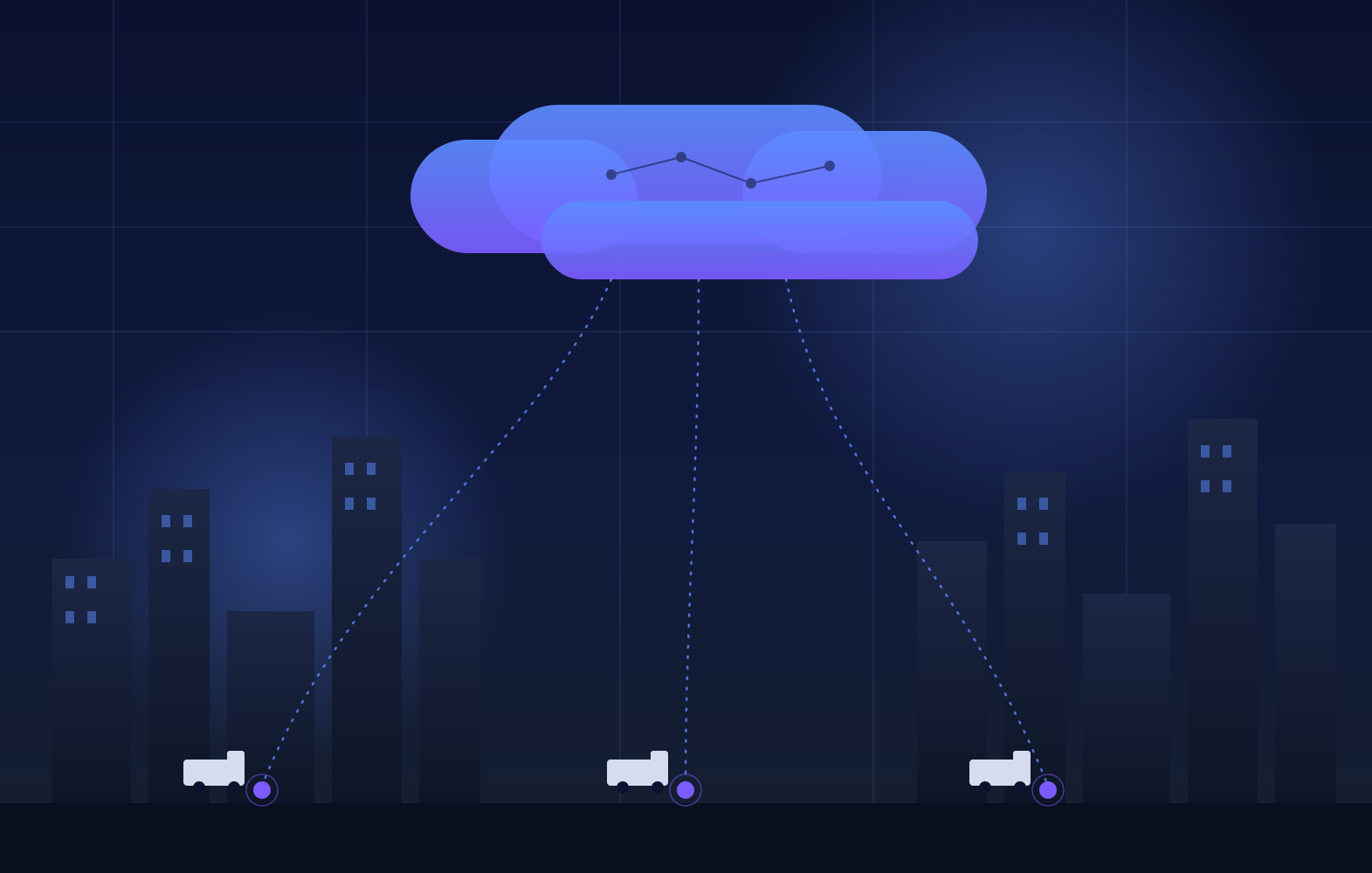
- Global Availability: Guaranteeing access to a unified, consistent source of truth for dispatchers, drivers, and warehouse managers worldwide.
- Automated Disaster Recovery: Preventing data loss in the event of local hardware failure or a regional power outage.
- Quick Release Cycles: Allowing IT staff to deploy changes and enhancements without physical intervention.
Elasticity and Scalability: The Cloud-Native Advantage
In a cloud-native environment, scalability is handled programmatically. Using containerization and orchestration, a custom logistics platform can automatically spin up new instances of its routing engine during peak hours and shut them down when they're no longer needed. This "elasticity" keeps system performance consistent regardless of load. For enterprise clients, that translates directly into a more resilient supply chain, one that can absorb market shocks without degrading service quality.
The Financial Logic: Moving from CapEx to OpEx
For the COO, the move to the cloud represents a revolutionary shift in financial planning. On-site data centers require heavy CapEx investment long before the infrastructure is even needed. Cloud applications, by contrast, operate on the OpEx principle. This lets businesses redirect spending away from maintaining legacy systems and toward innovative uses of technology that actually generate revenue.
Building for AI: Why the Cloud Is Non-Negotiable
Modern AI agents in logistics and high-fidelity digital twins require massive computational power and storage that few on-premise data centers can provide. The cloud offers data lakes and specialized AI processing units as a service — infrastructure that's essential for training the complex models behind real-time route optimization and predictive analytics. Without a cloud-native foundation, a company's AI initiatives will always be throttled by the physical limits of its hardware.
The Transition Roadmap: Navigating the Hybrid Middle Ground
For most enterprises, the move to cloud infrastructure is a gradual one. It typically starts with a "Hybrid Cloud" strategy: keeping critical legacy infrastructure on-premises for the time being, while building new, highly demanded functionality in the cloud in parallel. The end goal is a state where logistics cybersecurity can be fully covered by cloud-based tools.
Critical steps toward a successful cloud migration:
- Infra Audit: Determine which legacy elements can be containerized, and which need a full rewrite.
- Pilot Feature Migration: Deploy a non-essential but heavily used feature, such as a report generation utility, into the cloud first.
- Data Lake Creation: Merge all data sources into a single lake to be used for training AI models.
- Ecosystem Orchestration: Orchestrate all custom applications into one automated ecosystem.
In conclusion, the moment has arrived to say goodbye to the era of on-site logistics servers. It's on CTOs to show their organizations the way forward and put cloud solutions to work. Automation should be approached as a building block of an efficient, modern infrastructure that drives business success. In today's reality, nothing counts more than speed and flexibility. Cloud is not just storage — it's the foundation everything else is built on.
Key Takeaways
- On-premise infrastructure is now a liability rather than an advantage, limited by physical capacity, maintenance costs, and geographic silos.
- Cloud-native elasticity — via containerization and orchestration — keeps performance consistent under variable load without manual intervention.
- The shift from CapEx to OpEx frees up budget to move away from legacy maintenance and toward revenue-generating innovation.
- AI initiatives (route optimization, digital twins, predictive analytics) are hard-capped by on-premise hardware and require cloud-scale data lakes and AI processing units.
- Most enterprises should migrate gradually through a Hybrid Cloud phase rather than a single cutover.
- A successful migration follows a defined path: infra audit, pilot feature migration, data lake creation, then full ecosystem orchestration.